

Introduction
Intermediate education in the Sindh Board is one of the most important stages in a student’s academic journey in Pakistan. It includes 11th and 12th class, where students begin to move from general education toward more specialized fields. This stage plays a key role in shaping a student’s future career, higher education choices, and professional direction.
At this level, students are required to select a specific stream based on their interests and goals. The most common options include pre medical, pre engineering, computer science, and arts. Each stream comes with its own set of subjects and career opportunities, so making the right decision at this stage is extremely important for long term success.
Understanding the intermediate subject list helps students and parents get a clear idea of what each stream offers. It allows them to compare subjects, evaluate difficulty levels, and choose a path that matches both interest and future ambitions. A well informed choice in 11th class can make a significant difference in academic performance and career satisfaction later on.
Overview of Intermediate Education in Sindh Board
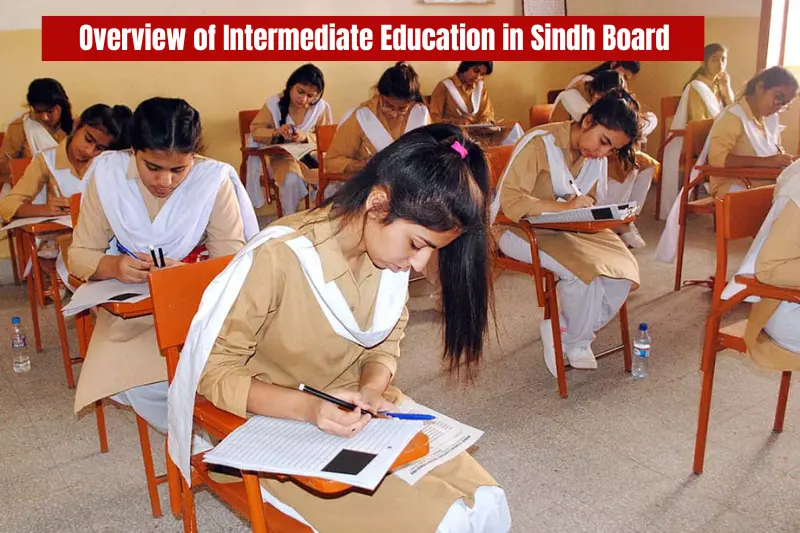
Intermediate education under the Sindh Board of Intermediate and Secondary Education is a two year academic program that includes first year (11th class) and second year (12th class). It serves as a bridge between matriculation and university level education. At this stage, students are introduced to more focused and subject specific learning that prepares them for professional degrees and careers.
In Sindh Board, the curriculum is designed in a way that students must select a stream after matric. These streams are structured according to different academic and career paths. The main streams include pre medical, pre engineering, computer science, and arts. Each stream has its own combination of compulsory and elective subjects that students study throughout their intermediate years.
The selection of the right stream is not only about studying subjects but also about building a foundation for future studies. Universities and professional institutions often require specific subject backgrounds for admission into different programs. For example, students from pre medical usually continue into medical or health sciences, while pre engineering students move toward engineering and technical fields.
This is why understanding the intermediate subject list is very important. It helps students clearly see what each stream includes, what skills they will develop, and which career paths they can pursue after completing their intermediate education.
Complete Intermediate Subject List for All Streams
The intermediate level in Sindh Board offers different subject combinations based on the stream a student chooses. Each stream is designed to match specific academic interests and future career goals. Below is a clear breakdown of the main streams and their subject combinations so students can understand the complete intermediate subject list in a simple way.
Pre Medical Subjects in 1st Year Sindh Board
Students who choose the medical field study science-based subjects that prepare them for healthcare and biological sciences.
Core subjects include:
- Biology
- Chemistry
- Physics
- English
- Urdu
- Islamiat or Ethics
These subjects are essential for students who want to pursue careers in medicine, dentistry, pharmacy, or other health sciences. Strong understanding of biology and chemistry is especially important in this stream.
Pre Engineering Subjects in Sindh Board
Pre engineering is designed for students interested in technical and engineering careers.
Core subjects include:
- Mathematics
- Physics
- Chemistry
- English
- Urdu
- Islamiat or Ethics
This stream focuses heavily on mathematics and physics, which are required for engineering degrees such as civil, electrical, mechanical, and software engineering.
Computer Science Subjects in 11th Sindh Board
Computer science is becoming one of the most popular streams due to the growing demand in the IT sector.
Core subjects include:
- Mathematics
- Computer Science
- Physics or Statistics (depending on college)
- English
- Urdu
- Islamiat or Ethics
This stream helps students develop logical thinking, programming basics, and digital skills that can lead to careers in software development, cybersecurity, and information technology.
Arts Subjects in Class 11 Sindh Board
Arts is a flexible stream that offers a wide range of subjects related to social sciences, languages, and humanities.
Core subjects may include:
- Sociology
- Psychology
- Education
- Economics
- Political Science
- English
- Urdu
- Islamiat or Ethics
This stream is suitable for students interested in teaching, law, media, civil services, and social sciences.
How to Choose the Right Intermediate Stream
Choosing the right stream in 11th class is one of the most important academic decisions for students in the Sindh Board system. This choice not only affects what subjects you will study for the next two years but also shapes your future education and career direction.
The first step is to understand your personal interest. Students who enjoy biology and want to become doctors or work in healthcare usually find pre medical the most suitable option. Those who are strong in mathematics and enjoy problem solving often perform better in pre engineering. Students interested in technology, programming, and digital skills can consider computer science, while those who prefer social studies, humanities, and general knowledge subjects may find arts more suitable.
Another important factor is career planning. Students should research what careers are linked to each stream before making a decision. For example, engineering degrees require a pre engineering background, while IT related fields often prefer computer science students. Similarly, medical fields require pre medical subjects as a foundation.
It is also important to consider academic strength and difficulty level. Some streams, especially science based ones, require consistent effort and strong conceptual understanding. Choosing a stream only based on peer pressure or trends can lead to difficulty later in studies.
Parents, teachers, and career counselors can play a helpful role in guiding students. However, the final decision should be based on the student’s own interest, ability, and long term goals. A well informed choice ensures better performance, confidence, and success in higher education.
Common Mistakes Students Make in Subject Selection
Many students in the Sindh Board system face difficulties later in their academic journey because they make avoidable mistakes while selecting their intermediate stream. Understanding these mistakes can help students make better decisions when choosing from the intermediate subject list.
One of the most common mistakes is selecting a stream based on pressure from friends or family. Students often follow what others are doing without considering their own interest or ability. This can lead to a lack of motivation and poor academic performance later on.
Another frequent mistake is ignoring future career requirements. Some students choose a stream without checking which subjects are required for their desired university degree or profession. For example, choosing arts without realizing the requirements for certain professional fields can limit future options.
Many students also underestimate the difficulty level of certain streams. Science based subjects like pre medical and pre engineering require strong conceptual understanding and regular study habits. Without proper preparation, students may struggle to keep up with the syllabus.
Lack of proper guidance is another issue. Some students do not consult teachers or career counselors before making their decision. This often results in confusion and uncertainty about their academic direction.
Avoiding these mistakes can help students make a more informed and confident choice when selecting their subjects in 11th class.
Expert Advice for Students
Making the right decision at the intermediate level becomes easier when students follow proper guidance and practical advice. According to education experts, the most important step is to carefully understand your interests and strengths before selecting any stream from the intermediate subject list offered by Sindh Board.
Teachers and career counselors strongly recommend that students should not rush this decision. Instead, they should take time to analyze which subjects they enjoy studying and where they perform better academically. Interest plays a major role in long term success because students tend to perform better in subjects they genuinely like.
Experts also suggest researching future career options before finalizing a stream. Every field such as medical, engineering, computer science, and arts has different academic requirements at university level. Understanding these requirements early helps students avoid problems later in higher education.
Another important piece of advice is to evaluate the difficulty level of each stream honestly. Science subjects like pre medical and pre engineering require consistent effort, strong analytical skills, and regular practice. On the other hand, arts and computer science offer different learning styles that may suit different types of students.
Finally, experts emphasize the importance of seeking guidance from teachers, experienced professionals, and educational resources. A well informed decision not only improves academic performance but also builds confidence and clarity about future goals.
Conclusion
Understanding the intermediate subject list is an important step for every student in the Sindh Board system because it directly impacts academic progress and future career opportunities. At the 11th class level, students are introduced to different streams including pre medical, pre engineering, computer science, and arts, each designed to prepare them for specific fields of study.
Choosing the right stream is not just about selecting subjects, but about planning a long term academic and professional journey. When students carefully evaluate their interests, abilities, and future goals, they are more likely to succeed in their chosen path. Whether it is science, technology, or humanities, every stream has valuable opportunities if selected wisely.
With proper understanding and guidance, students can make confident decisions that lead to better performance in intermediate education and successful entry into higher studies.
